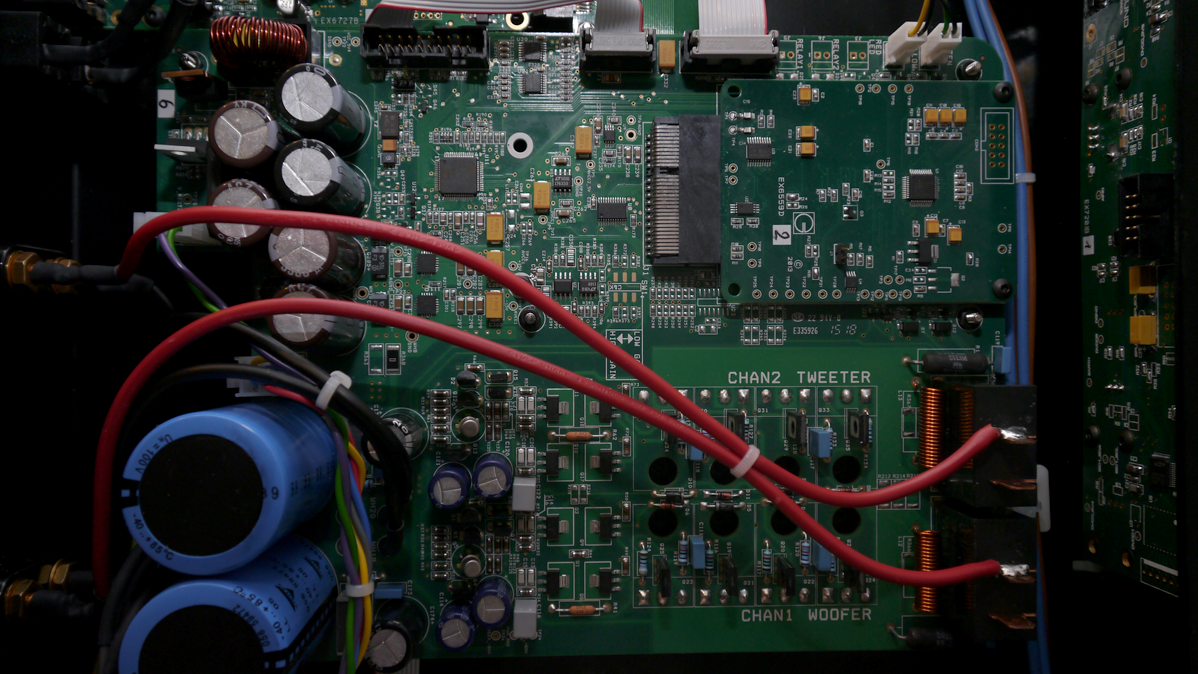
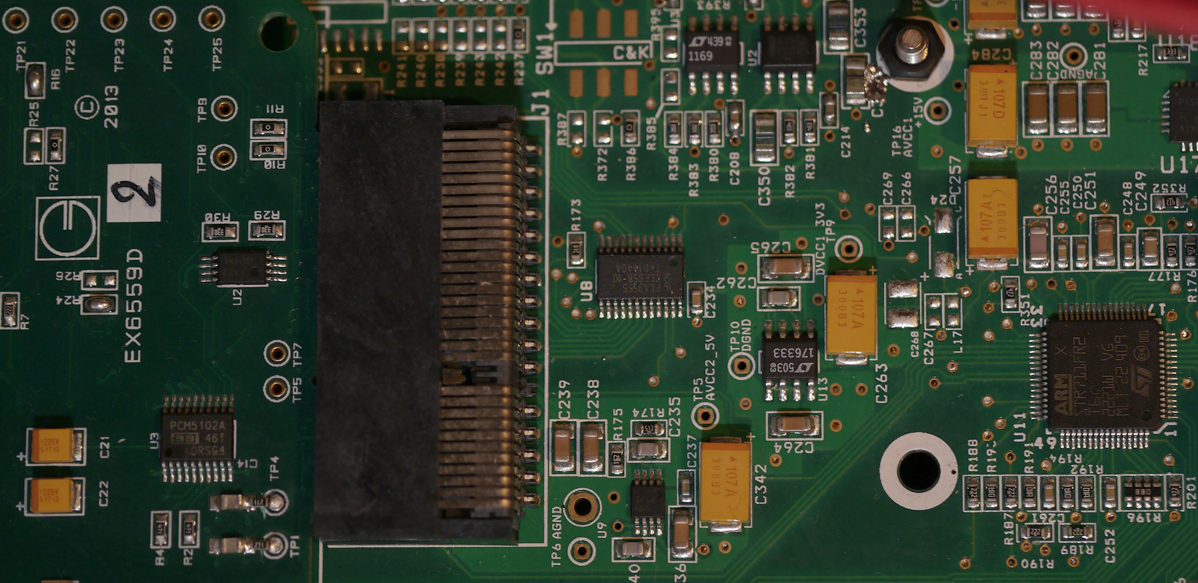
Those who fret over the disappearance of the external heat sink take note that the steel base now sports three thick tapped bends on each side. Those create substantial contact patches for the robust top cover. This turns the entire enclosure into a thermal dissipater for the output devices. Those who engage in page toggling to compare the previous Metis 7 innards will conclude that very little indeed seems to separate these machines. The sole obvious change is the different colour of the two big capacitors.
Engaging in the most rudimentary of math skills, we now divide €12'500 by $1'699 to arrive at 7.4. What does that get us? Simply that for the published price of one Metis 7, you could get yourself seven and a half Job integrateds. That makes the Job a radically - well, INTuitive choice. Talk about one seriously unfair advantage. All that it requires to cash in on this advantage is to shop on pure word of mouth—mine, that of other reviewers, posters and owners—not on the certainty of a personal prior in-store audition. More so than for dealer-sold product, reviews like this one become vital to lower that sound-unheard risk barrier.
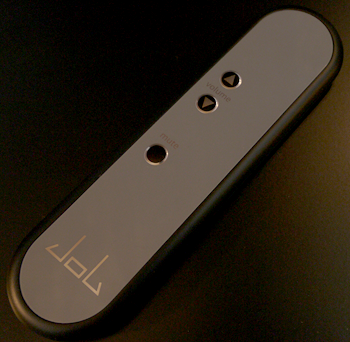
If you do the deed, the deck's couch potato credibility is handled by the same remote we already saw with the Job preamp. It does volume up/down and mute and runs off a 3V type 2032 Lithium coin battery like many a watch. It has good reach and is unfussy about a bull's eye aim. A general point 'n' shoot does the job every time and the volume taper is nicely shallow to not come on too fast. No lead foot on the gas syndrome here. |
|