
|
|
|
Show 'n' tell.
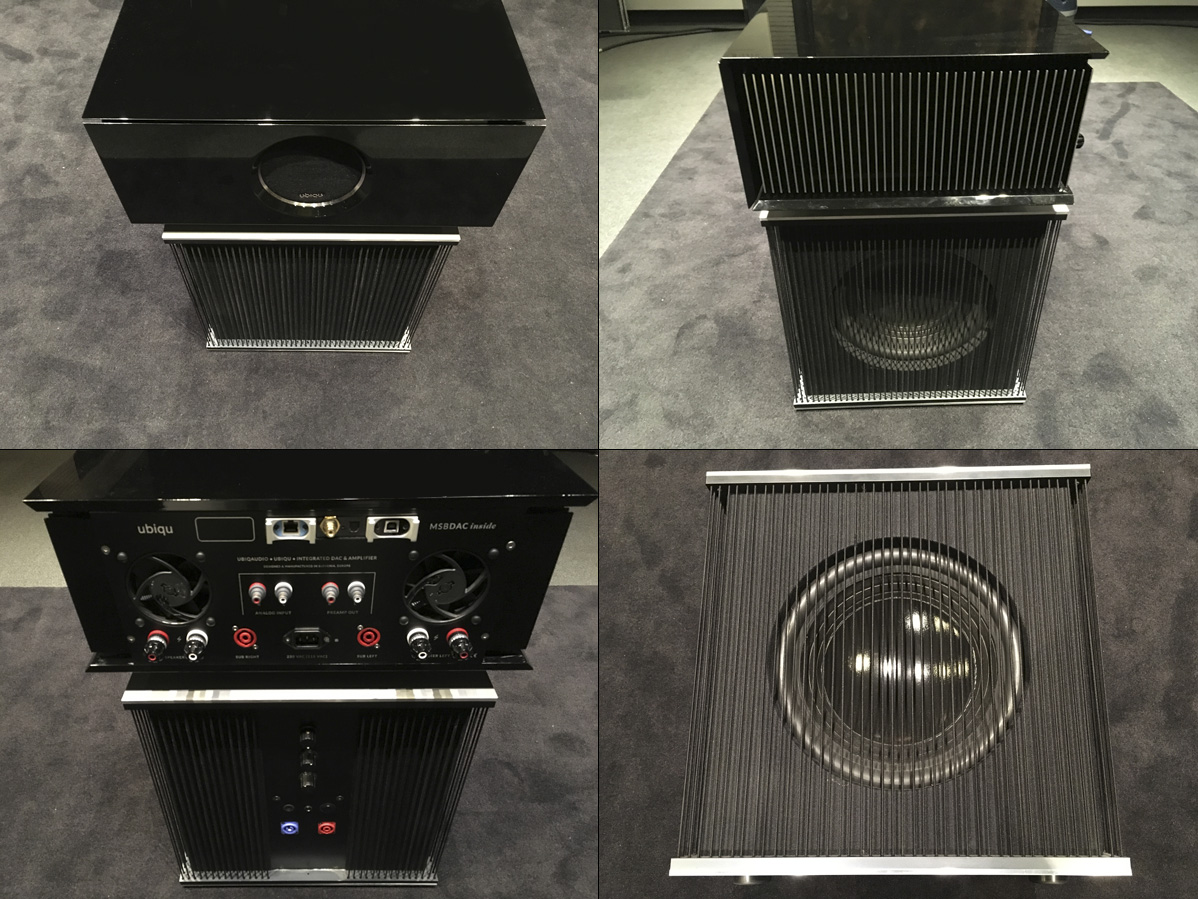
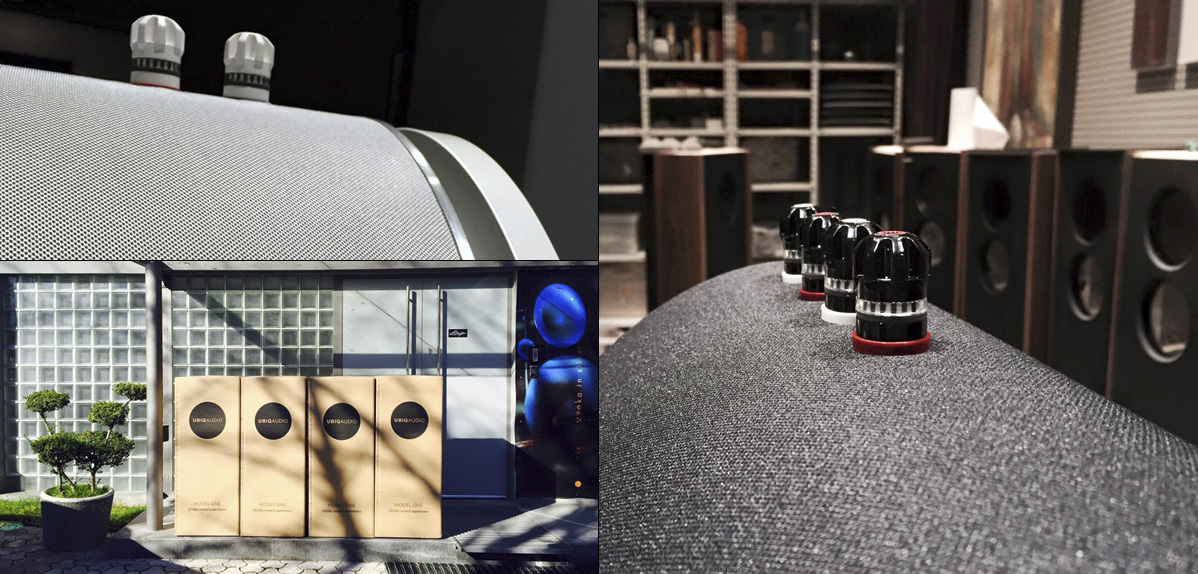
As though to casually document that his subs will enter eventual production—audiophile snobs be damned—Igor emailed these photos. We see the 300wpc Ubiqu DAC plus precision volume control plus dual-mono amp atop a sub replete with locking outlets to dispatch signal to a pair of low-frequency generators. By the same emailed stroke, Igor established the compact size of his 16-35Hz infrasonic weaponry.
|
 |
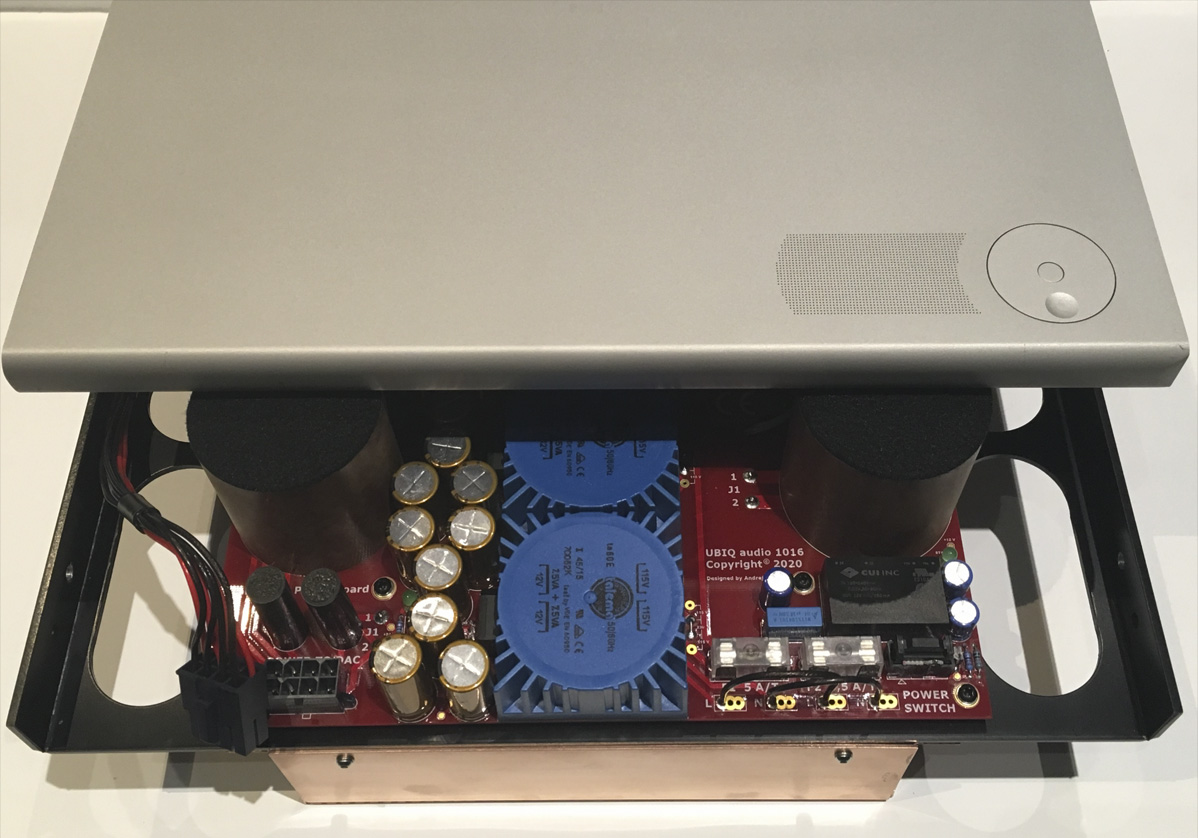
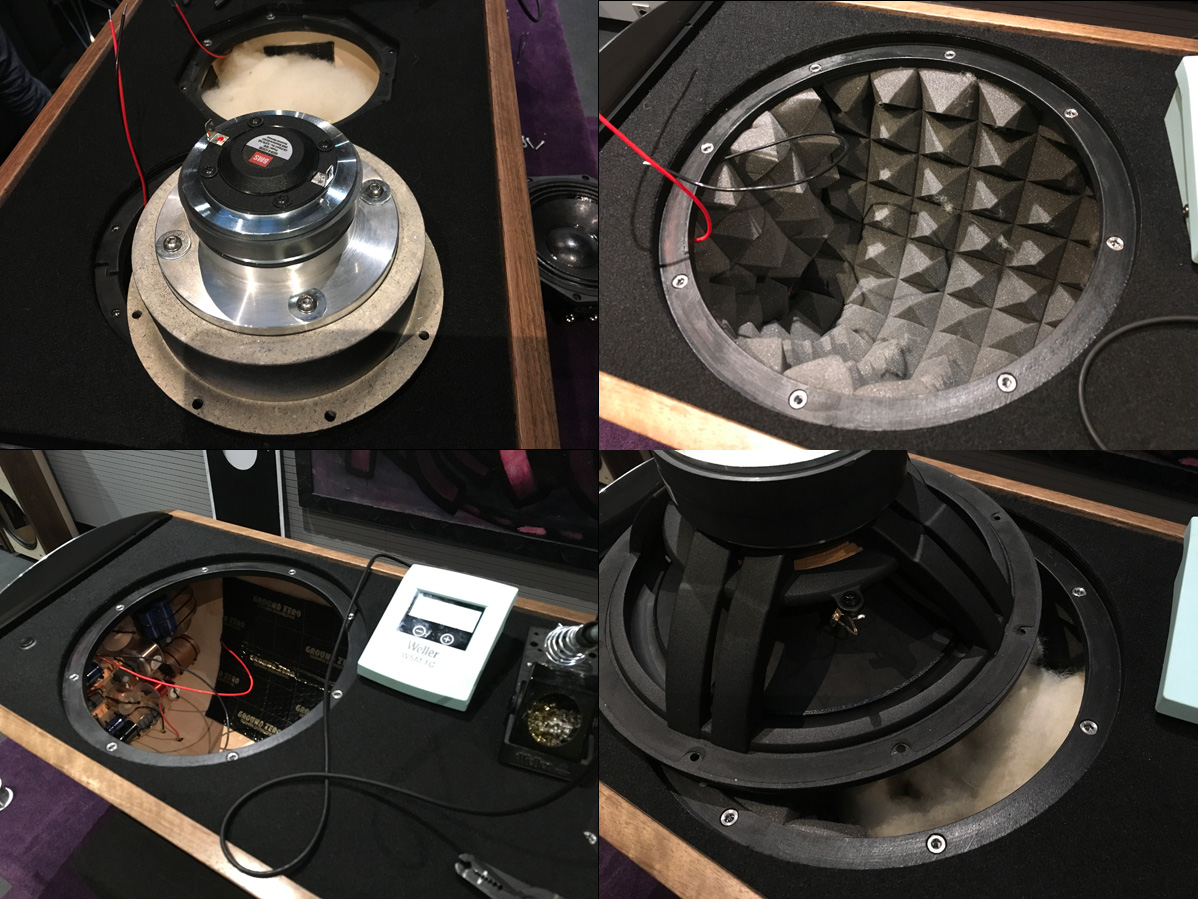
To show that his integrated wasn't just shiny city slicker but had an alter ego as hard-working muscular chap, he also forwarded images of its modular innards.
|
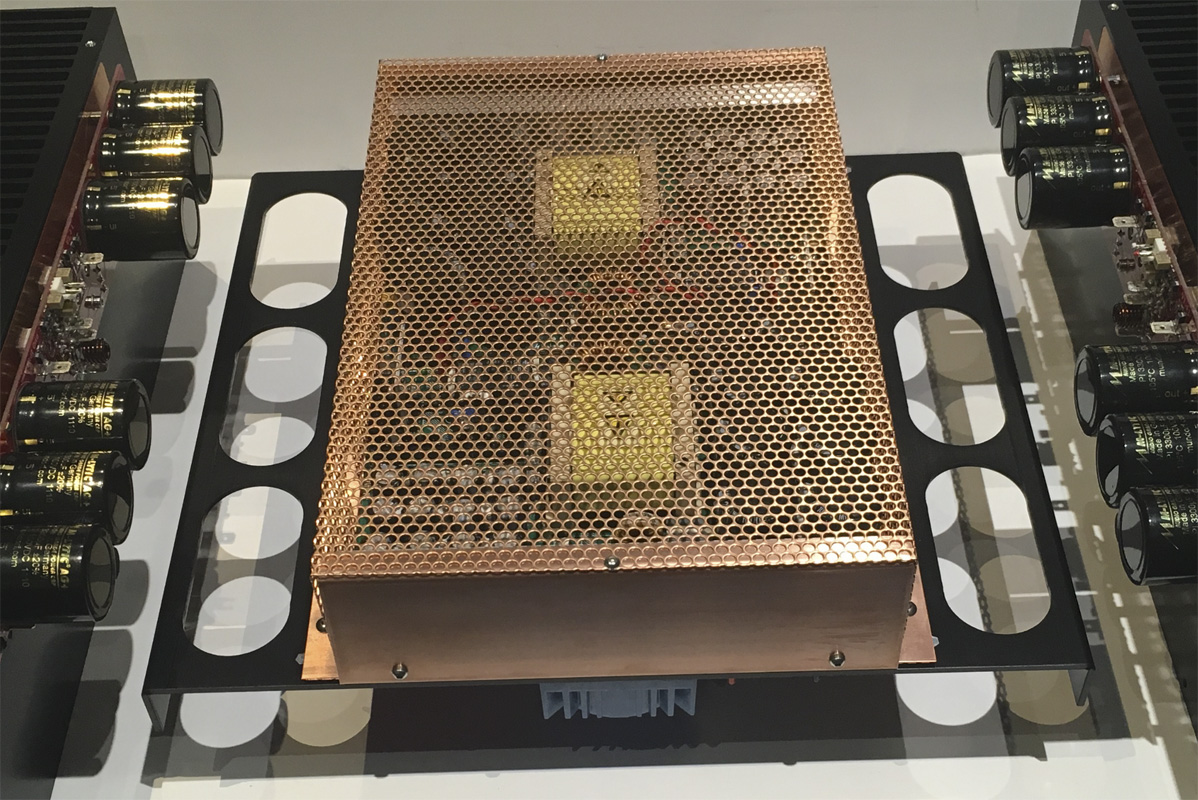 |
Those suggested more serious hardware. Having repaired his fair share of expensive amps from competitors whose circuit boards fried from excessive internal heat, Igor won't tolerate 50-60C° operational temperature values. Whilst his 3KVA/ea. SMPS are 90% efficient, their always-on small transformers do get hot. Hence the two top-quality whisper fans on the back plate.
|
 |
|
|
|
|
To finish off my pre-audition kicks, Igor's last email sent photos of the standard single-wire and special biwire options plus...
|
 |
... a photo of the shipping boxes. Here any distributor with a few years in the saddle has fielded more than one irate phone call to vendors complaining about sub-standard packaging. All too often damage in transit is due to insufficiently stout shipping boxes or sub-par protective materials. Even boxes that do deliver their goods unmarred but themselves get trashed enroute to not be reusable are unacceptable. On that most mundane of counts as well, Igor promised that his team had done their home work. Acoustic designer Miro Krajnc explains their sonic homework. "Our main objective was to build a speaker which flawlessly reproduces the 'body' of instruments and voices. The 'body' region is located between 100-250Hz. The reasons why the majority of comparable or competitive speakers cannot reproduce this parameter properly are mostly twofold: because their woofers are located too high off the floor; and/or because of wrongly chosen crossover points below 200Hz. All this is especially valid and critical in average-sized rooms of 20-30m². In bigger or really large rooms this negative effect is less noticeable because of the longer wavelengths but it still can be troublesome.
A speaker which doesn't reproduce the sense of body properly will always sound thin, unrealistic or hifi-ish. Such a sound will never be recognized as natural or reminiscent of the real thing.
|
 |
"We also wanted natural tone. This is why we didn't use ceramic or metal cones. Concert goers or those who know what instruments sound like live will easily understand this. We use a stiff and rigid paper cone in the bass range, a reasonably stiff cone for the midrange and a relatively soft diaphragm for the treble so effectively, each frequency region is covered by the optimum material. With regard to enclosure material, we feel that extremely stiff enclosures damp too much of the natural overtones in the music, hence kill the sound's natural harmonic structure. A stiff well-damped wood enclosure still sounds more natural - to our ears.
|
 |
"Great micro and macrodynamics were of paramount importance too. This excluded the use of steep filters which could severely ruin microdynamics as the parameter which breathes life into instruments and voices. When a cone midrange and dome tweeter are used on a straight baffle without physical driver offset/alignment plus a steep crossover, a nasty phenomenon occurs: the room's power response becomes uneven and in the most sensitive region (2-4kHz which also happens to be the typical crossover region), there is a sharp peak as the result of phasing issues between direct and reflected sound (side wall reflections).
The Model One uses an 8" waveguide which physically offsets the tweeter relative to the midrange, controls dispersion and raises sensitivity.
Because of this, our speakers do not sound bright even when placed very close to the side walls.
|
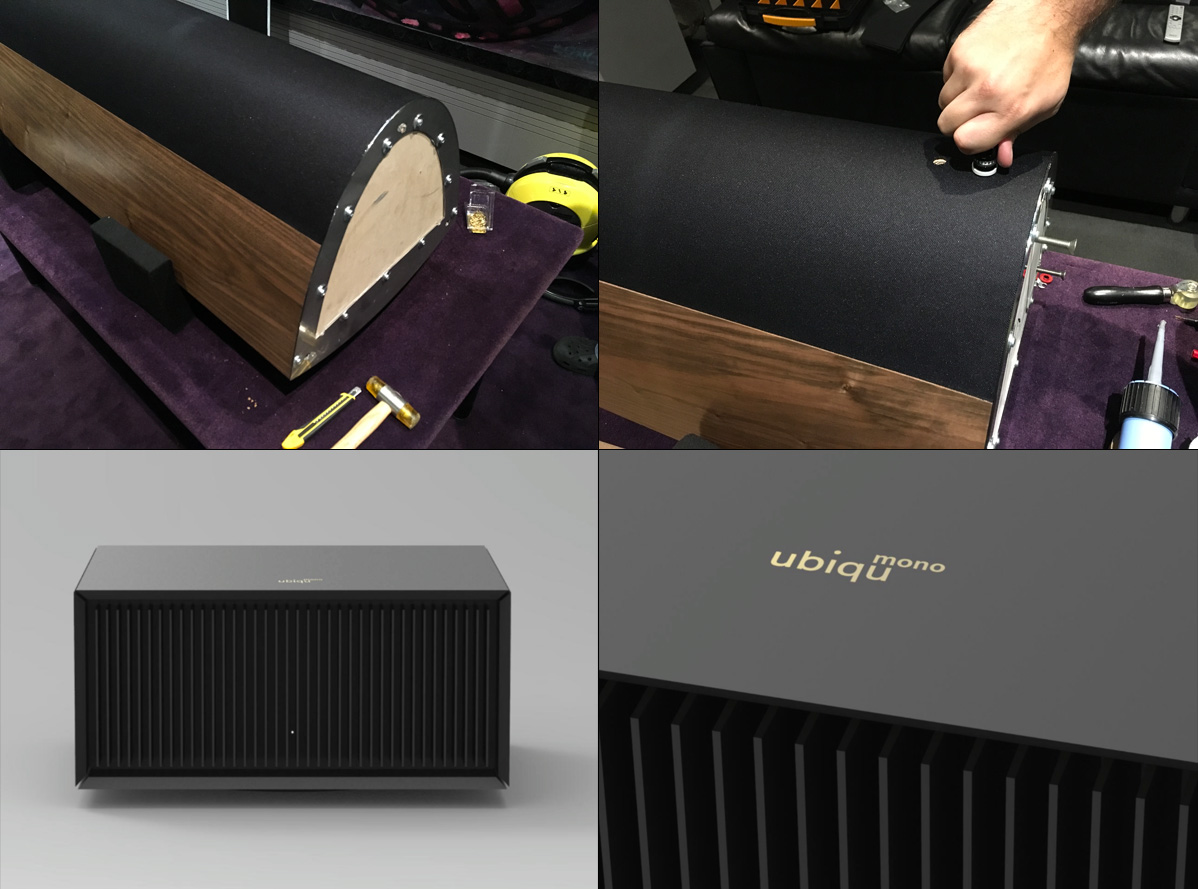 |
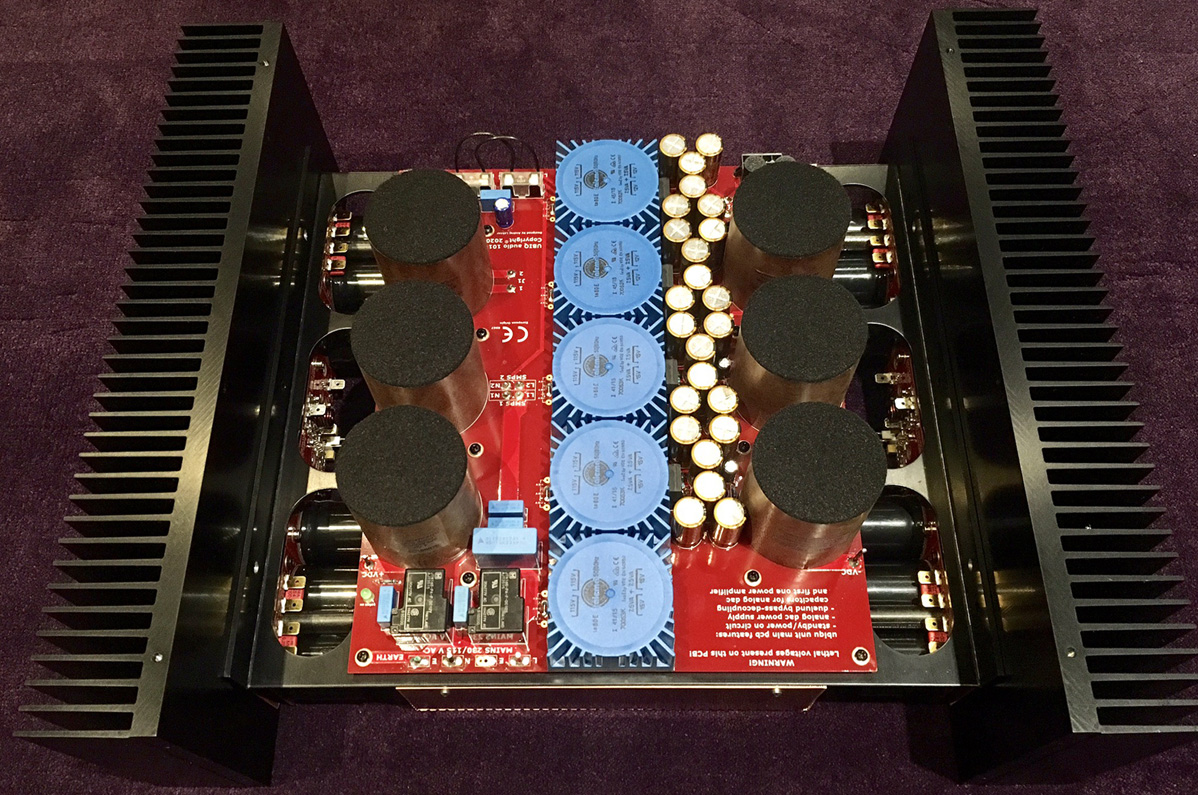
Review loaners being assembled; ubiqu mono amp which is the ubiqu integrated minus the MSB DAC spread out over two chassis.
|
"Great macrodynamic (SPL) behaviour was also very important because most competing speakers fall apart on loud playback. The Model One is a refined but also very robust speaker which is a rarity. So the Model One is a specific product. It carries some distinctive sonic qualities which only experienced music lovers will recognize. This means that owners of analytical and bright-sounding speakers (which may dominate) may not relate. That is completely understandable. Our point is simply that the Model One sounds as it does because it reflects our experience with live music. We cannot alter the sound of our speaker just to please mainstream demand or certain preferences. Actually, we intend to use its sonic signature—which marks a deviation from mainstream hifi to approach the tonality of the real thing/live music—as its strongest selling point. We will promote it as a unique product which ends the endless and costly upgrade path of the never fully satisfied audiophile who has completely forgotten that listening to music was once fun and a great joy. Instead of making an analytic tool that would expose the worst in your recordings, we set out to build a speaker that will bring out the best in your music collection. It will make you forget about the medium and just let you absorb the musical message all while still providing the necessary objective parameters that constitute the live music event: a proper timbre/harmonic balance, wide bandwidth and a dynamic vibrant and tonally coherent sound that finally sounds like real music and serves its true purpose: to bring back immense enjoyment and fun to the music playback experience in our homes."
|
 |
|

|

|
