|
This review page is supported in part by the sponsors whose ad banners are displayed below
|
|||||||||||||||
 |
|||||||||||||||
 |
|||||||||||||||
 |
|||||||||||||||
Class D continues to make inroads, no doubt spurred by looming EU legislature that is planned to outlaw class A consumer amps for energy inefficiency. This would kill off the species known as SET aka the single-ended amplifier since that, regardless of transistor or triode, operates in class A. But that's not the only connection between D class and tubes. |
|||||||||||||||
|
| |||||||||||||||
Very curiously, many designers of valve amps have begun to embrace class D rather than crossing over to more traditional class A or A/B transistor topologies. John Stronczer of Bel Canto probably started the trend, migrating from 845-based amplifiers directly to Tripath. Today we have Audio Research and Cary with class D amps. But even in the truly exotic sector, there are migrations. |
|||||||||||||||
 |
|||||||||||||||
Shortly before RMAF 2008, Joseph Cohen of Lotus Group USA, the American Feastrex importer, announced that his Japanese vendor famous for uncompromisingly hand-crafted (and painfully expensive) wideband drivers would not only bring some valve amps of their own design but also a prototype class D amp "to demonstrate that these drivers don't need expensive amps to sound great". |
|||||||||||||||
 |
|||||||||||||||
| Is the only appeal of class D cheapness? Gain clones too can obviously be put together on the cheap. Alas, they do tend to be power limited when sticking with the sonically most popular op-amps. They can be run off a switch-mode power supply as Musical Laboratory*'s Bosangwha monos show to good effect. This eliminates the expense and weight of a chunky power transformer but doesn't crack the magic 100-watt ceiling. |
|||||||||||||||
 |
|||||||||||||||
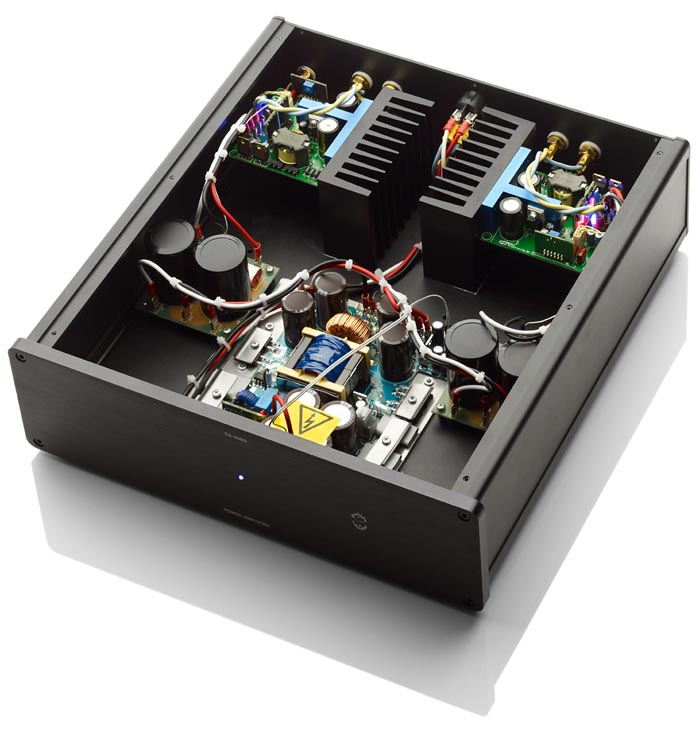
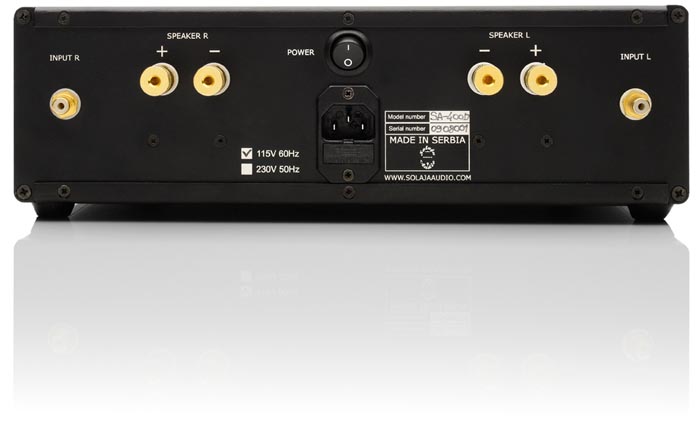
Particularly coming off low-power valve amps while trying to appeal to a need-more-power crowd, class D seems tailor-made for designers whose previous focus was tubes. Is inherently lower manufacturing cost the only reason however not to embrace the Bryston, Krell, Pass precedents? Dragan Solaja of Serbia's Solaja Audio is the latest valve man I know who has gone class D; uCD/Hypex to be more specific. He employs modules which Hypex modifies to his requirements, then runs an optimized SMPS co-developed with another specialty firm. |
|||||||||||||||
 |
|||||||||||||||
|
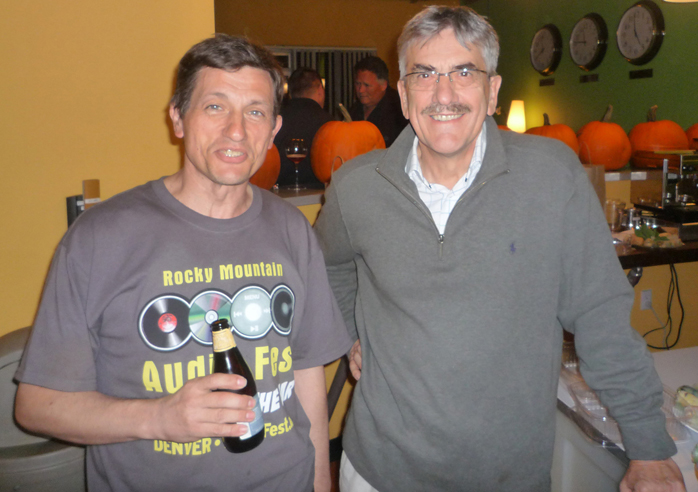
Drajan at The Burning Amp festival in San Francisco right after RMAF 2008, with the T-shirt to prove his attendance there
|
|||||||||||||||
| "I was really surprised with the potential of this approach and am very happy with the sound of my final amplifier." During my visit to Belgrade on my RoadTour Serbia trip, Dragan confided that he was still at work on his statement tube amplifier. I did get the sense though that any pressing urgency on that front had mellowed since the advent of his SA-400D. Dragan wasn't just coasting or being lazy. He really loved the sound of his D amp, being only too aware of the strengths it had over traditional valve amps in the expected areas. Which leaves questions. Have such valve maniacs just not gotten out in too long to be bamboozled by first encounters with this 'new-fangled' stuff? Why else would they not give traditional linear transistor amps the time of day? Is it off-the-shelf convenience of pre-fab modules from Hypex and B&O, shorter development cycles and everything else associated with the OEM concept? Is it the eco green factor? Or the greenbacks? It's easy to be cynical. Blame it all on quick profits for minimum effort. But with a number of people I've met, that doesn't quite wash. These guys live, breathe and dream sound. They would no sooner go D just to have something than put their name on a half-baked valve machine. No, there's more to it. Which doesn't invalidate any of the above. Nor mean that all D-class converts have 'pure' audiophile reasons. But I do think it's time that prevailing snobbism at the concept was questioned again. Too much evidence is collecting to suggest more than unsound reasons why so many tube lovers embrace switching transistors. Let's also remember that there are as many if not more permutations in class D as there are in traditional amplification circuits; and that class D for hifi -- now there is a bumper sticker --continues to be funded by rather sizeable firms. Things improve at a steady clip. Is the D class approaching graduation? |
|||||||||||||||
 |
|||||||||||||||
|
| |||||||||||||||
 |
|||||||||||||||
 |
|||||||||||||||